
Spring at Phelps Creek
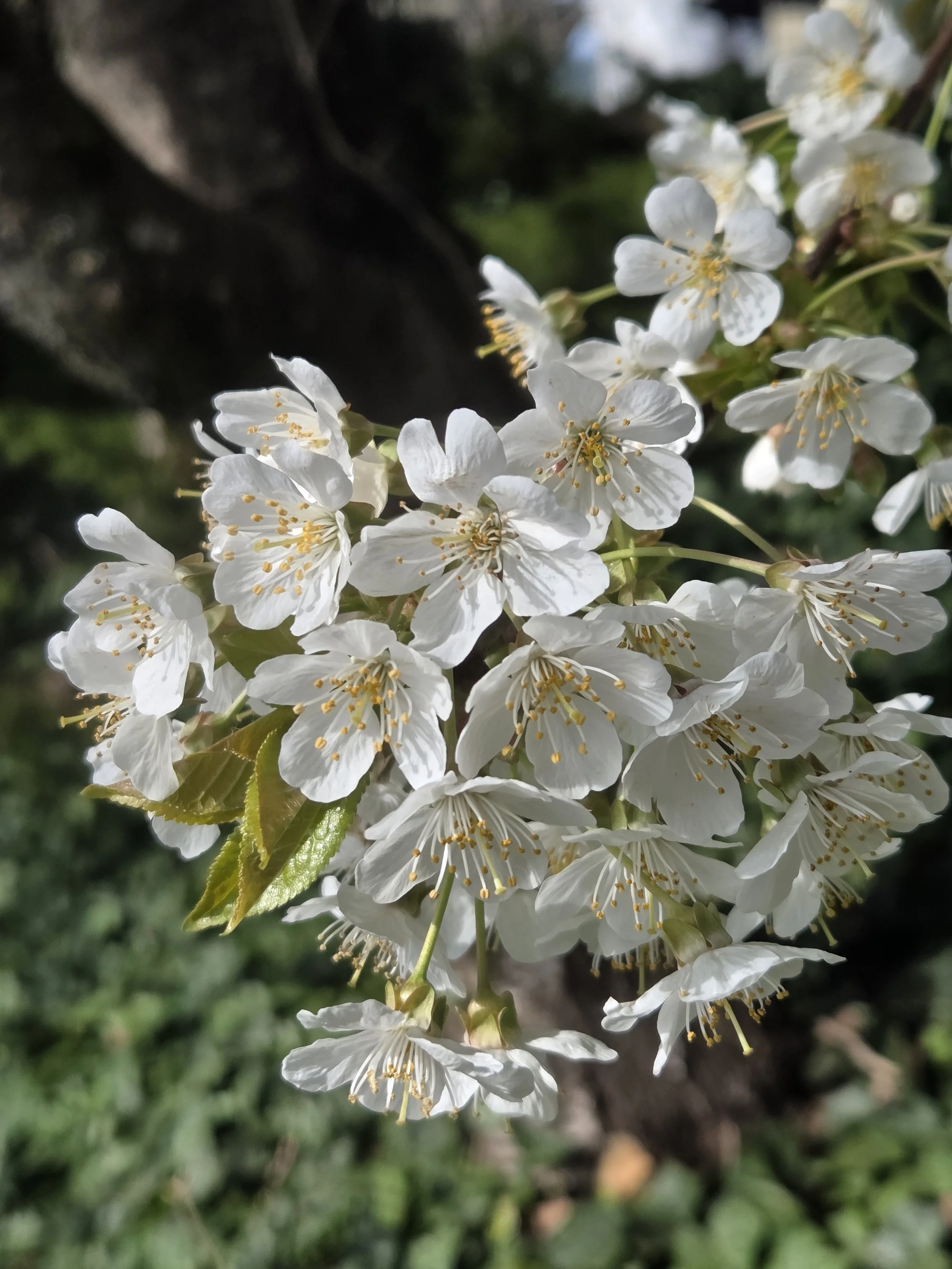
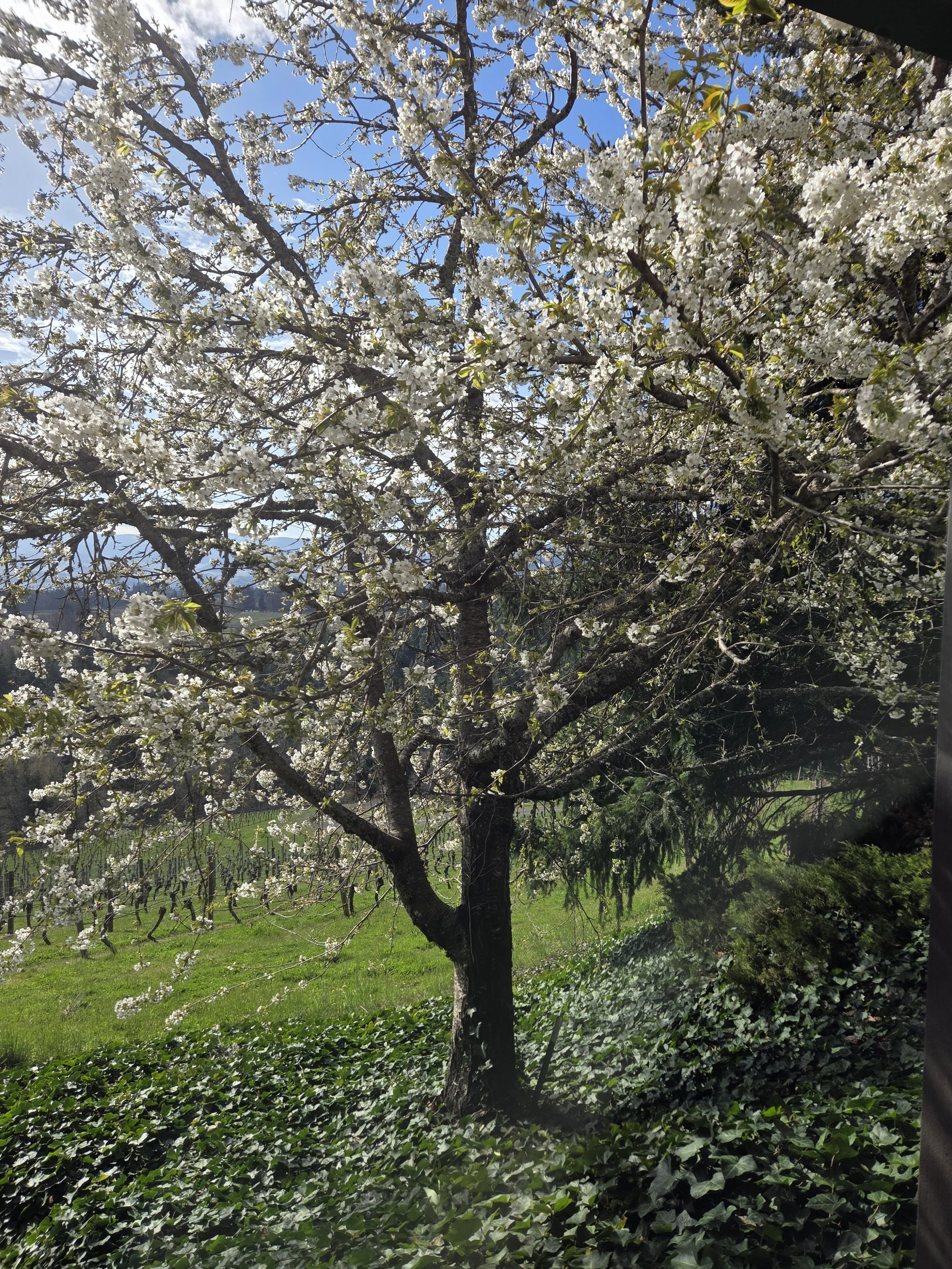
The cherry tree by the house is in full bloom and the orchards below us are flowering.
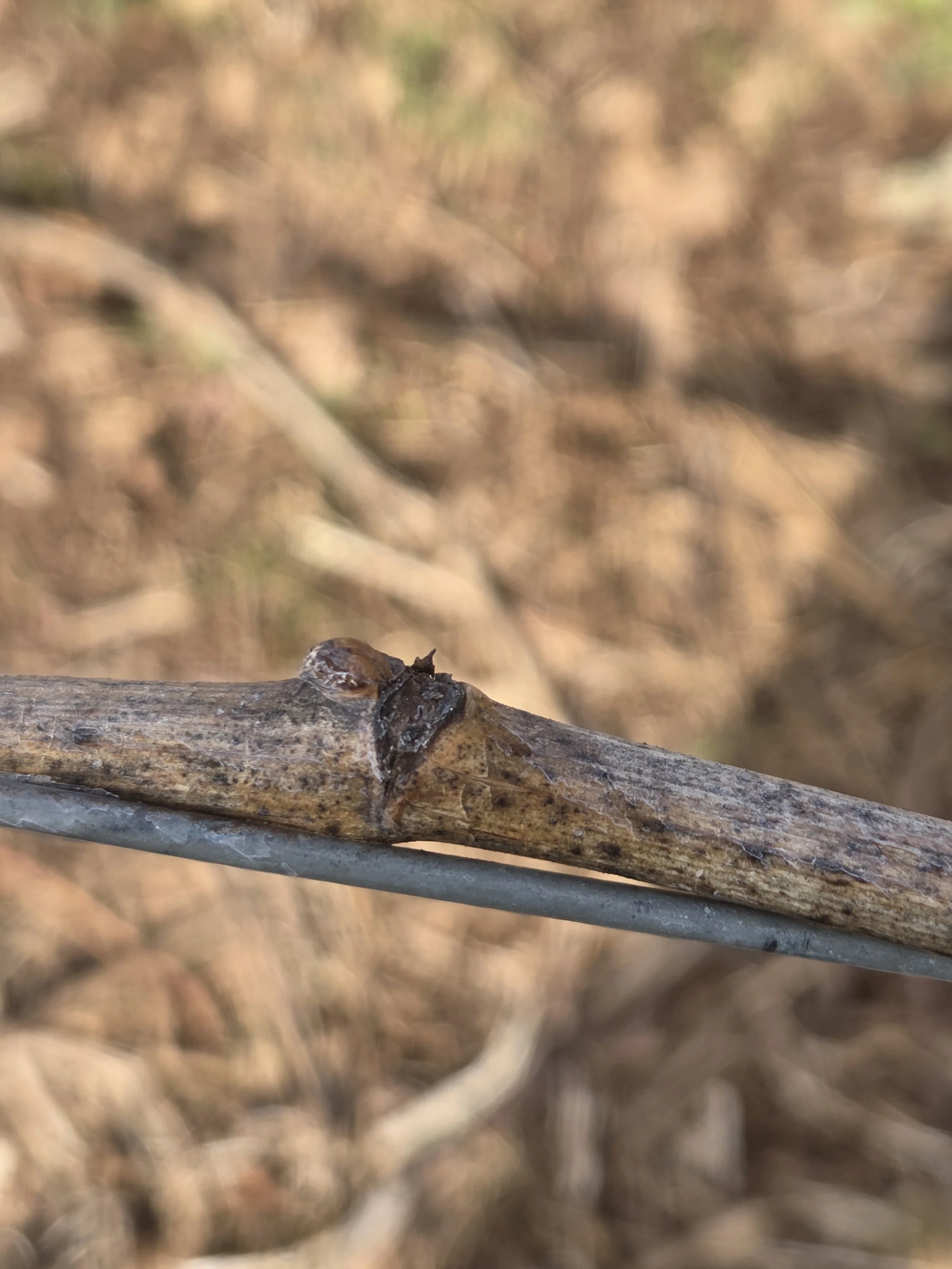
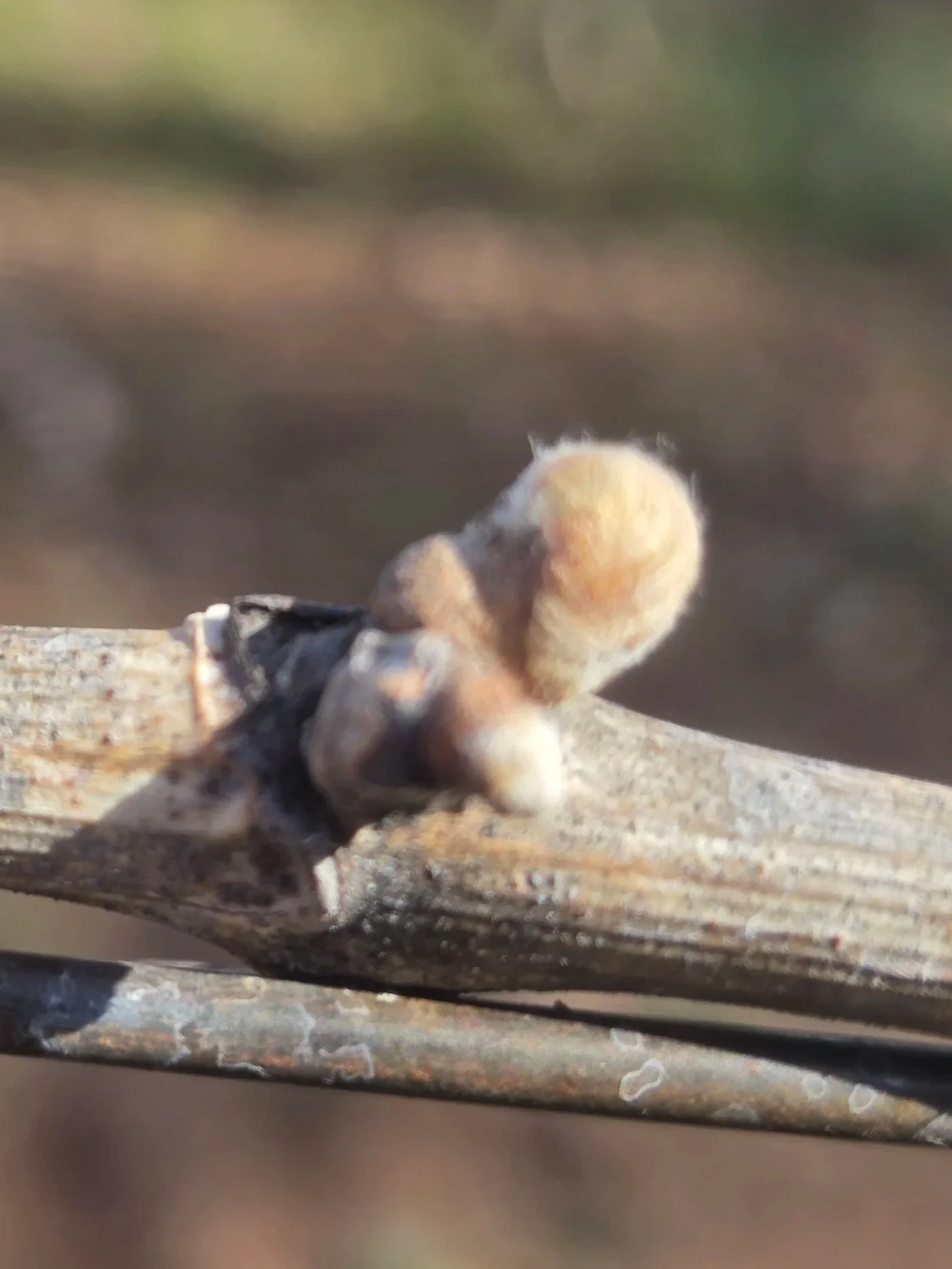
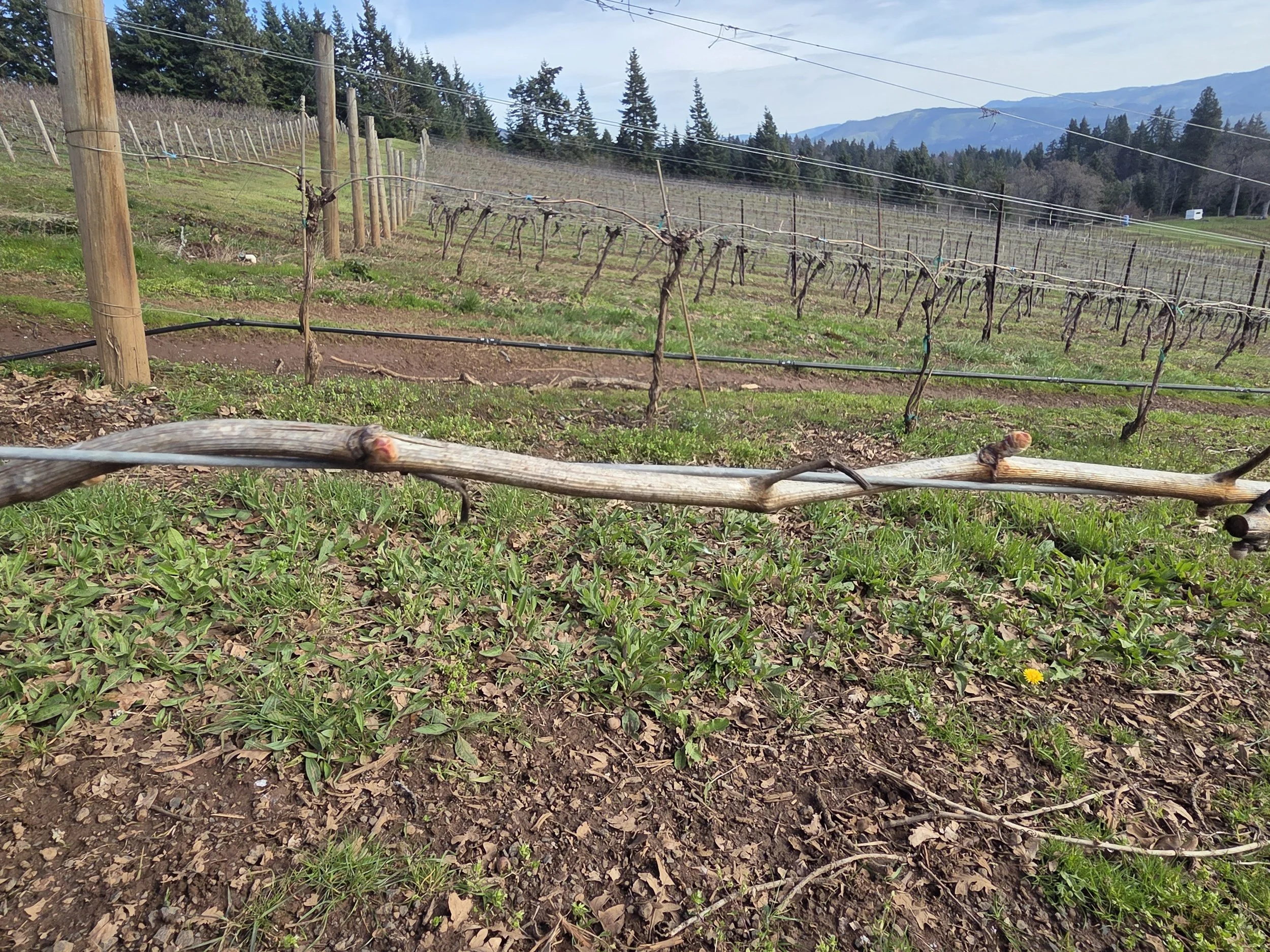
And now, bud break has just started in our vineyards! It is a little earlier than normal after our mild winter. (So, now we hope for no more frosty nights.) The buds are going from small and dormant, to “woolly,” and then “breaking” open with new leaves. In blocks that typically ripen earlier, like Toby’s, bud break started on April 8th; others, like Upper East Slope, probably won’t see bud break for another week or more. Each bud will grow shoots that will grow clusters of grapes.
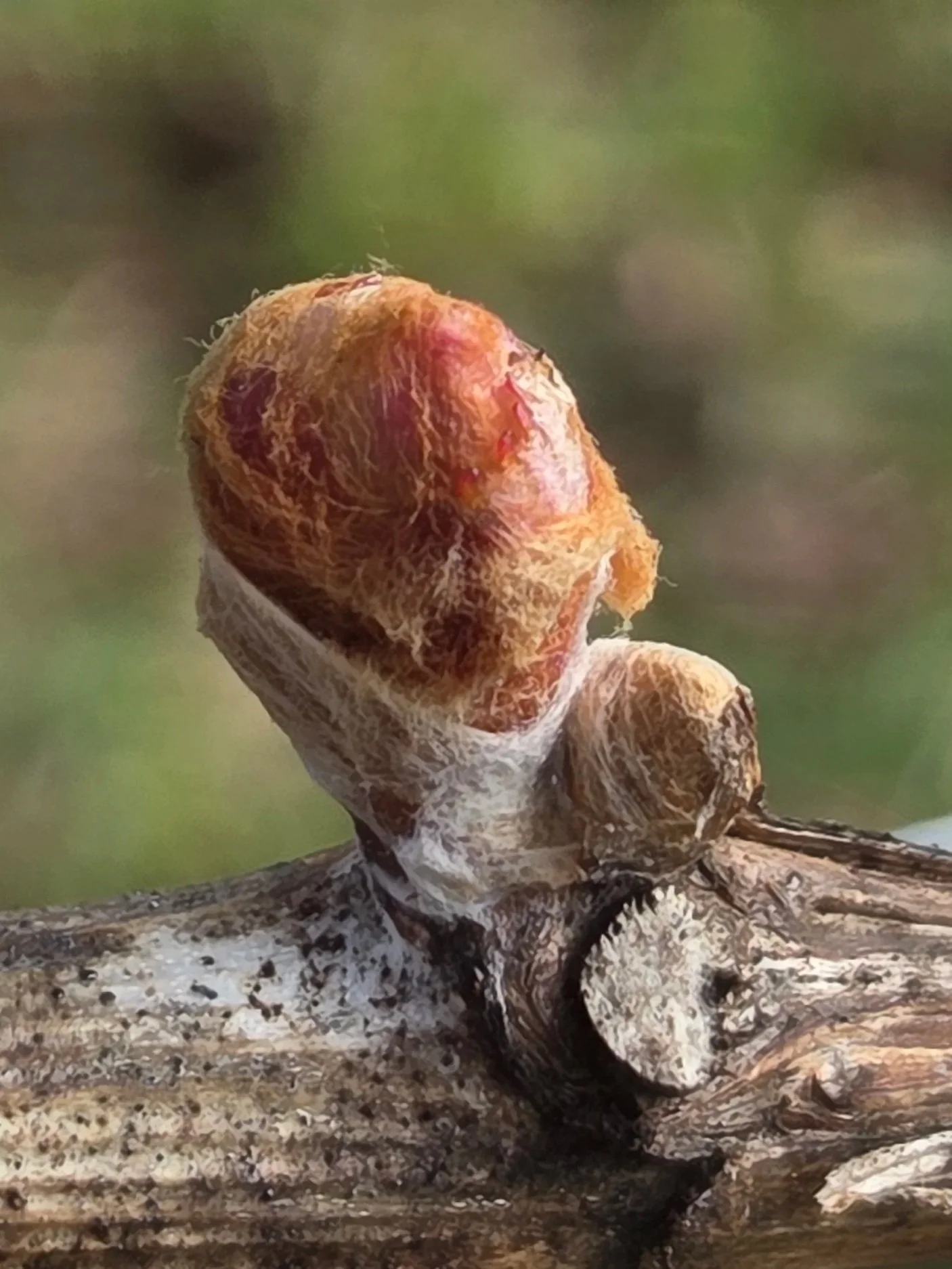
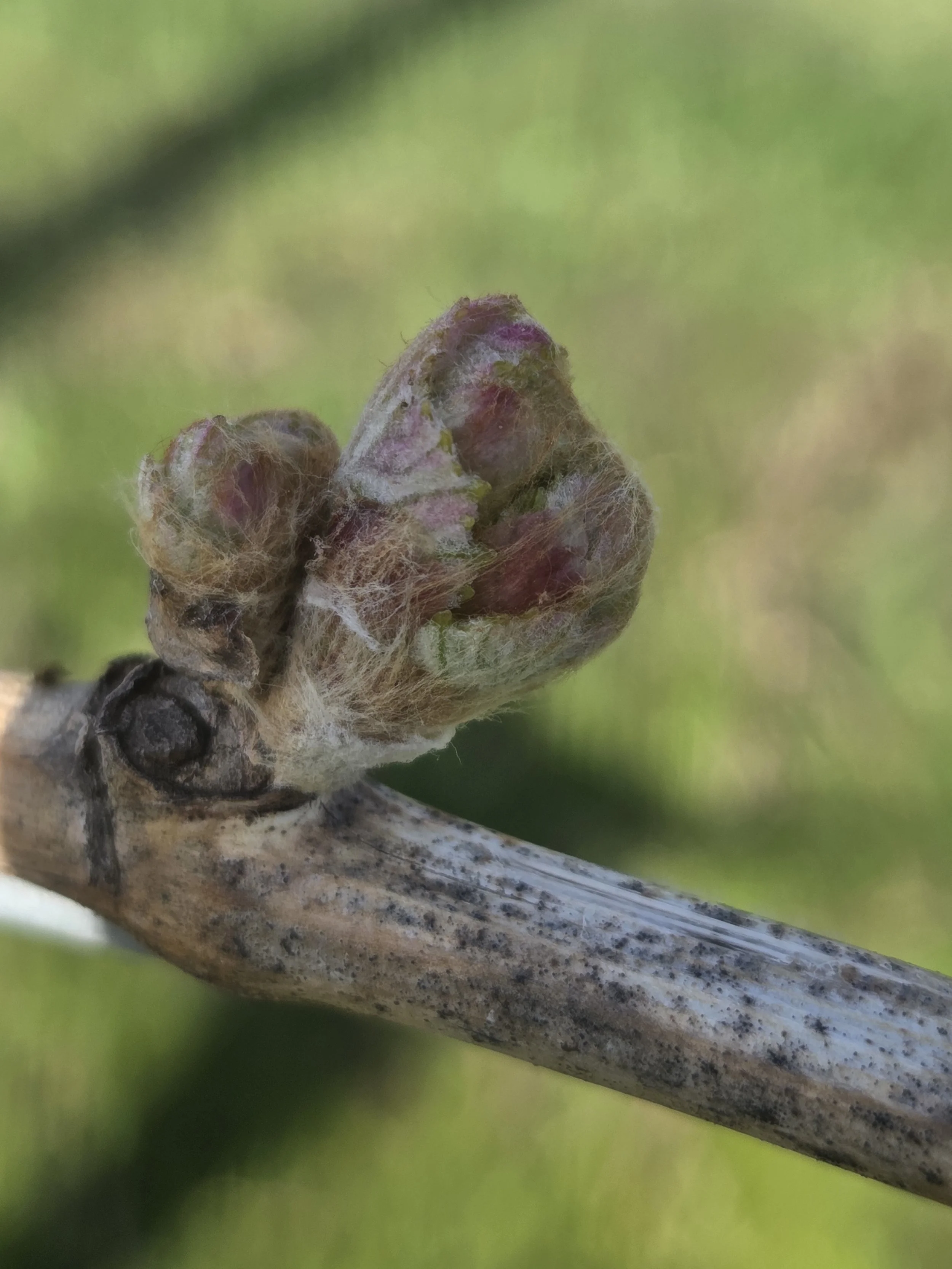
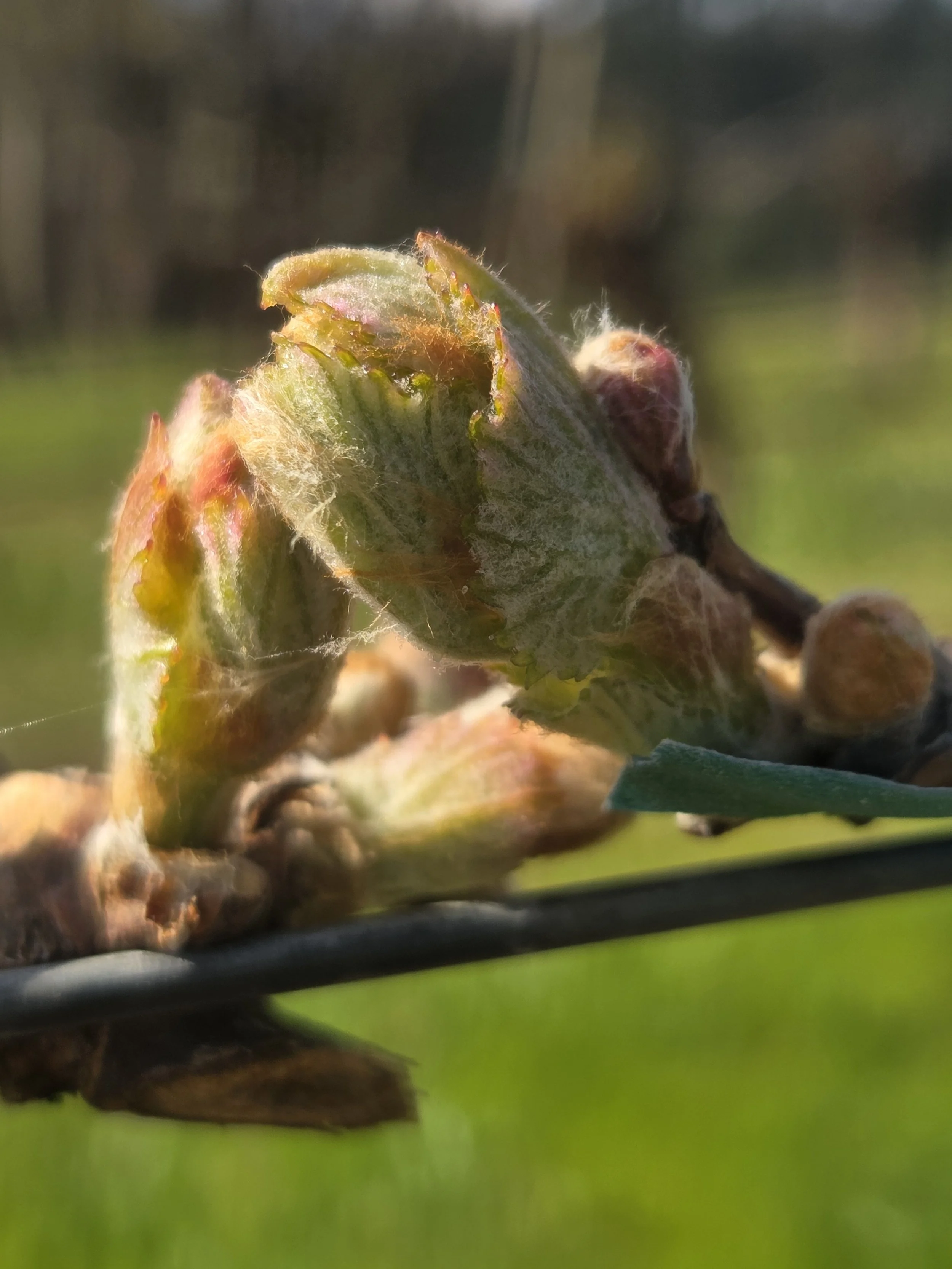
Spring is a busy time for Irineo and our vineyard team –
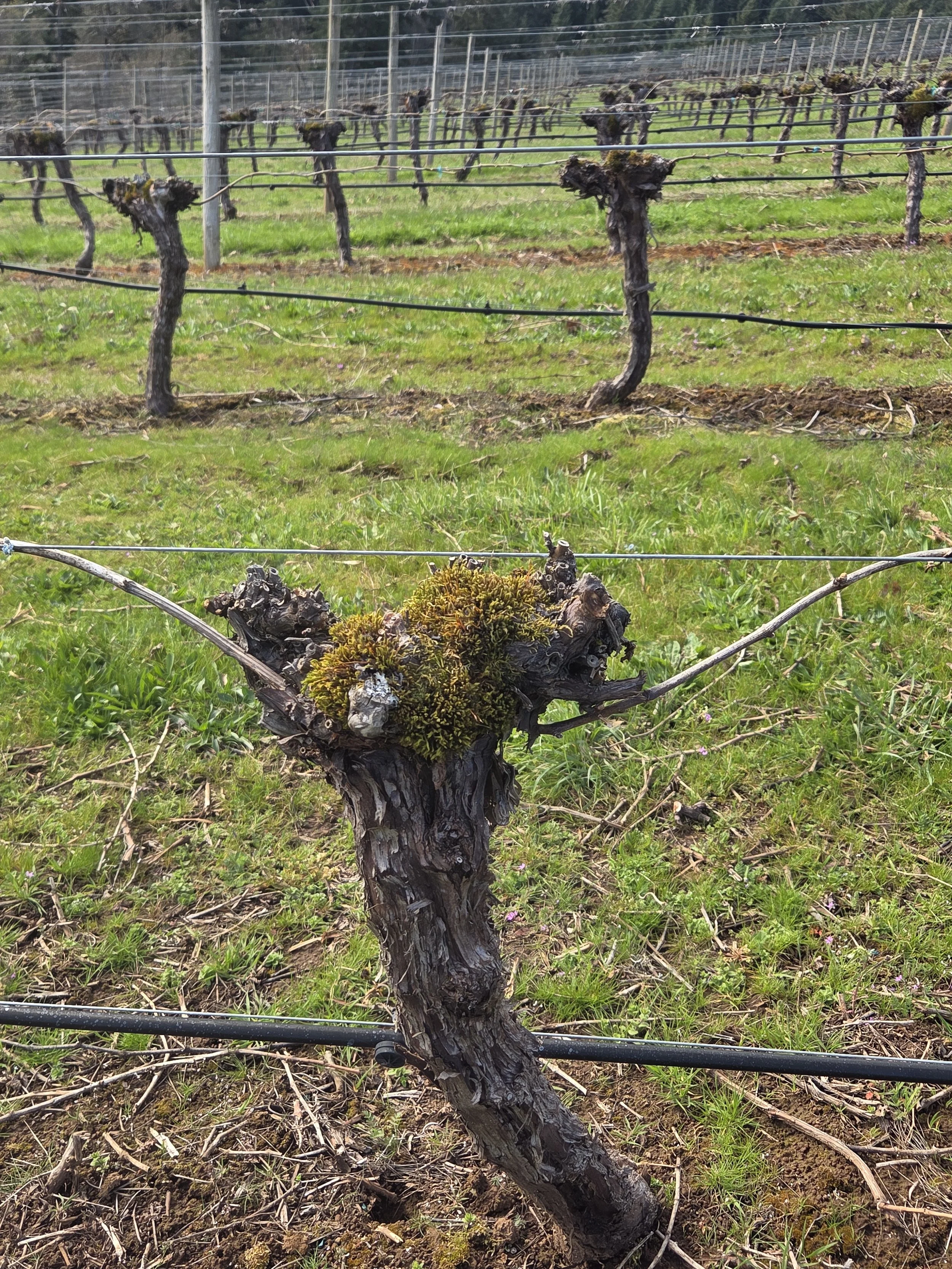
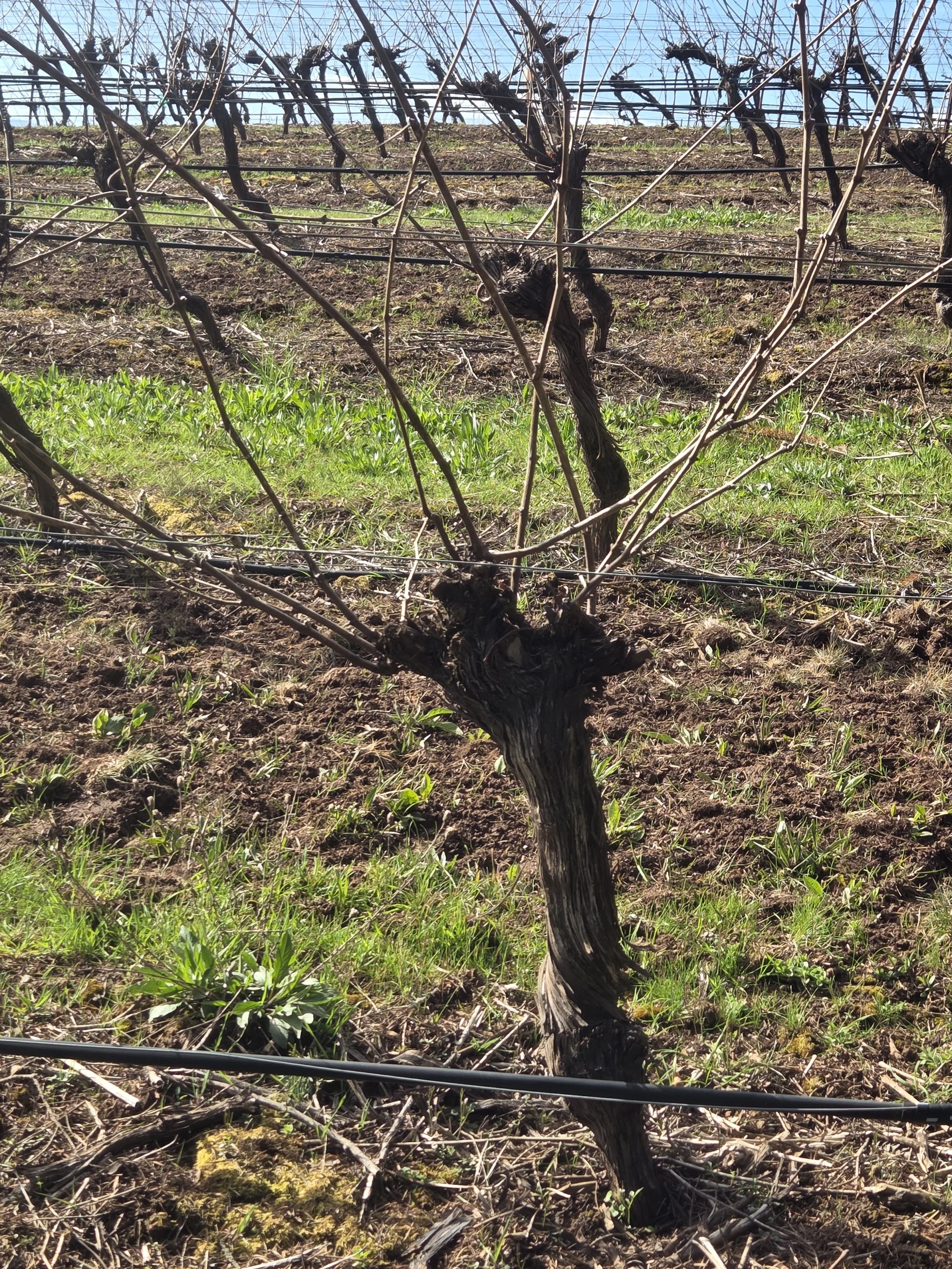
Starting in the winter, and just finishing up now, the vineyard team prunes the dormant vines by hand, carefully selecting two of last year’s shoots per vine to become the canes (arms) of the vine this year, wrapping those two around the wire, and gently tying them in place – ready to send up shoots this growing season. Then, they move the prunings by hand to the “aisles” so that Irineo can run the flail mower over them, chopping them up so they can break down and return their nutrients to the soil.
…
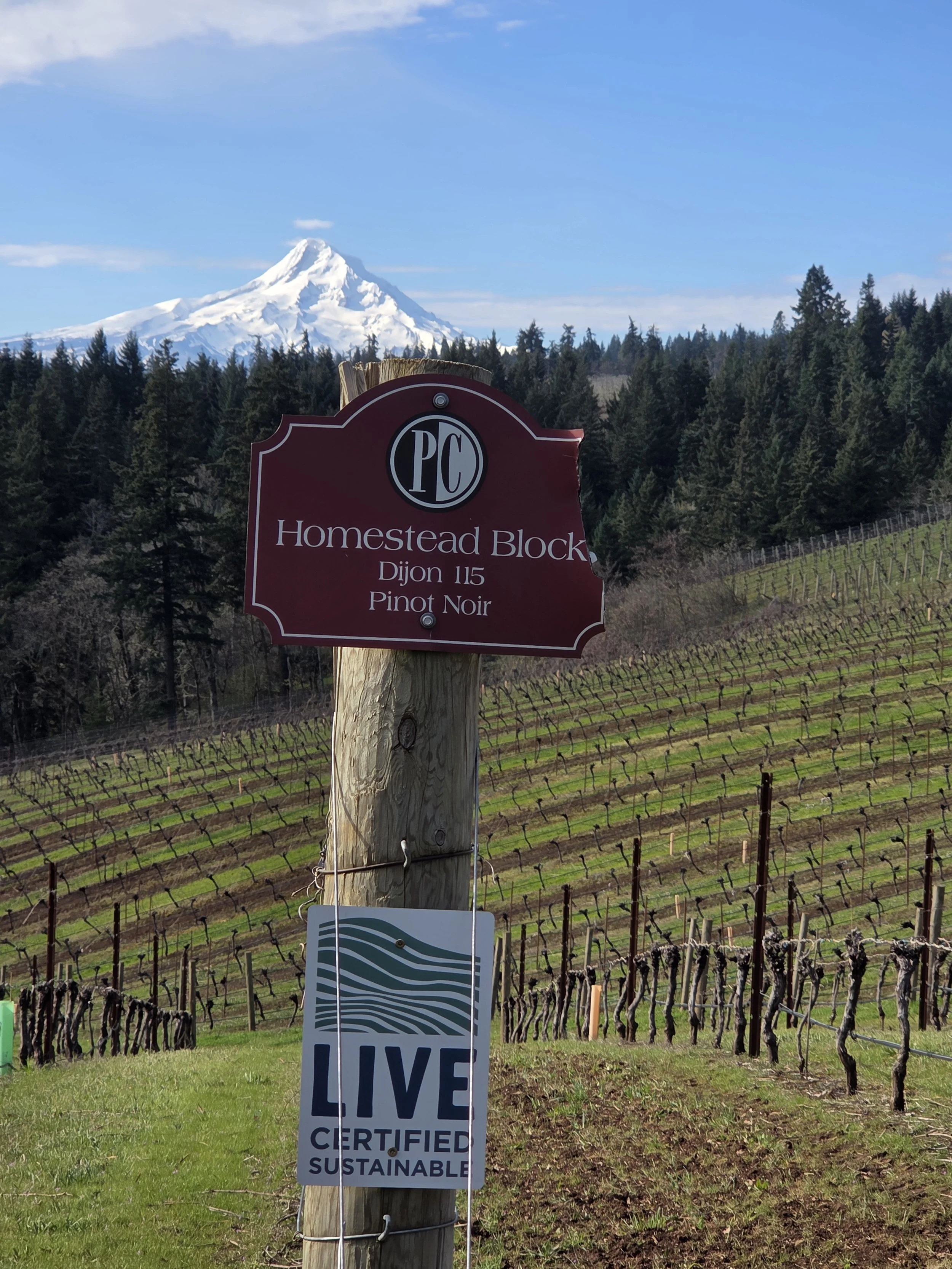
After a no-till year last year, Bob decided to till alternate rows in some blocks this year. This incorporates the nitrogen and other nutrients from the cover crop into the soil, ensuring healthy vine growth without applying fertilizer. We take a low-till approach to farming to help to maintain a healthy soil structure and soil microbiome. Some rows never get tilled (either they grow well enough without it, or the erosion risk is too high given the steep slope), the rest are tilled about once every four years. The freshly-tilled blocks look striped now, but soon our perennial ground cover and new cover crops will grow in and all will be green.
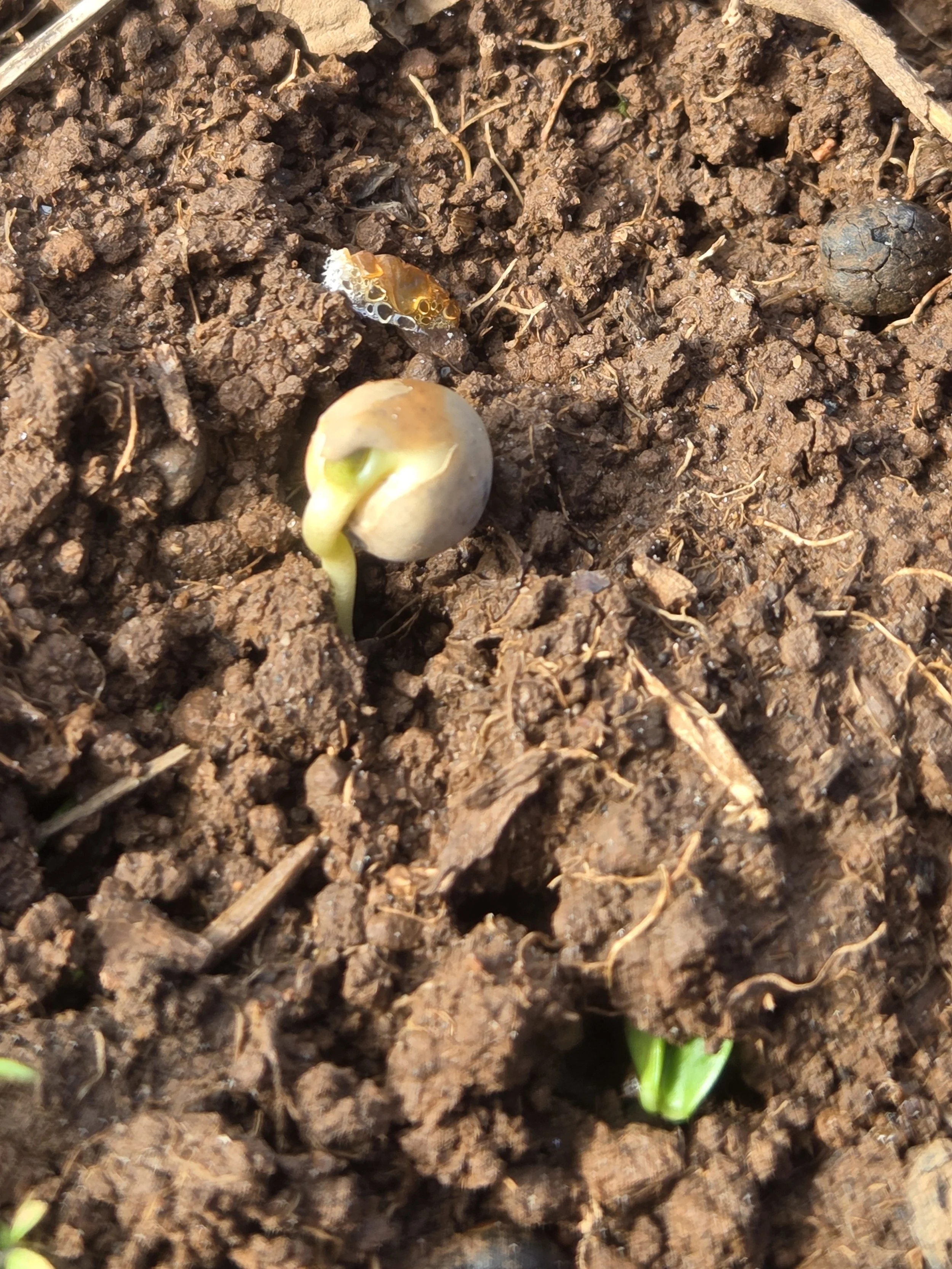
After tilling, Irineo spread a new batch of cover crop seeds with our no-till seed drill – and with the spring rain and warmth, some are already starting to germinate. This year we are cover cropping with a mix of triticale, peas, oats, vetch, ryegrass, and crimson clover. Using a mix of legumes, grasses, and flowering plants is important because they each do different jobs – they fix nitrogen, increase soil organic matter, improve soil structure, prevent erosion, provide pollen for pollinators and other beneficial insects, and out-compete other weeds.
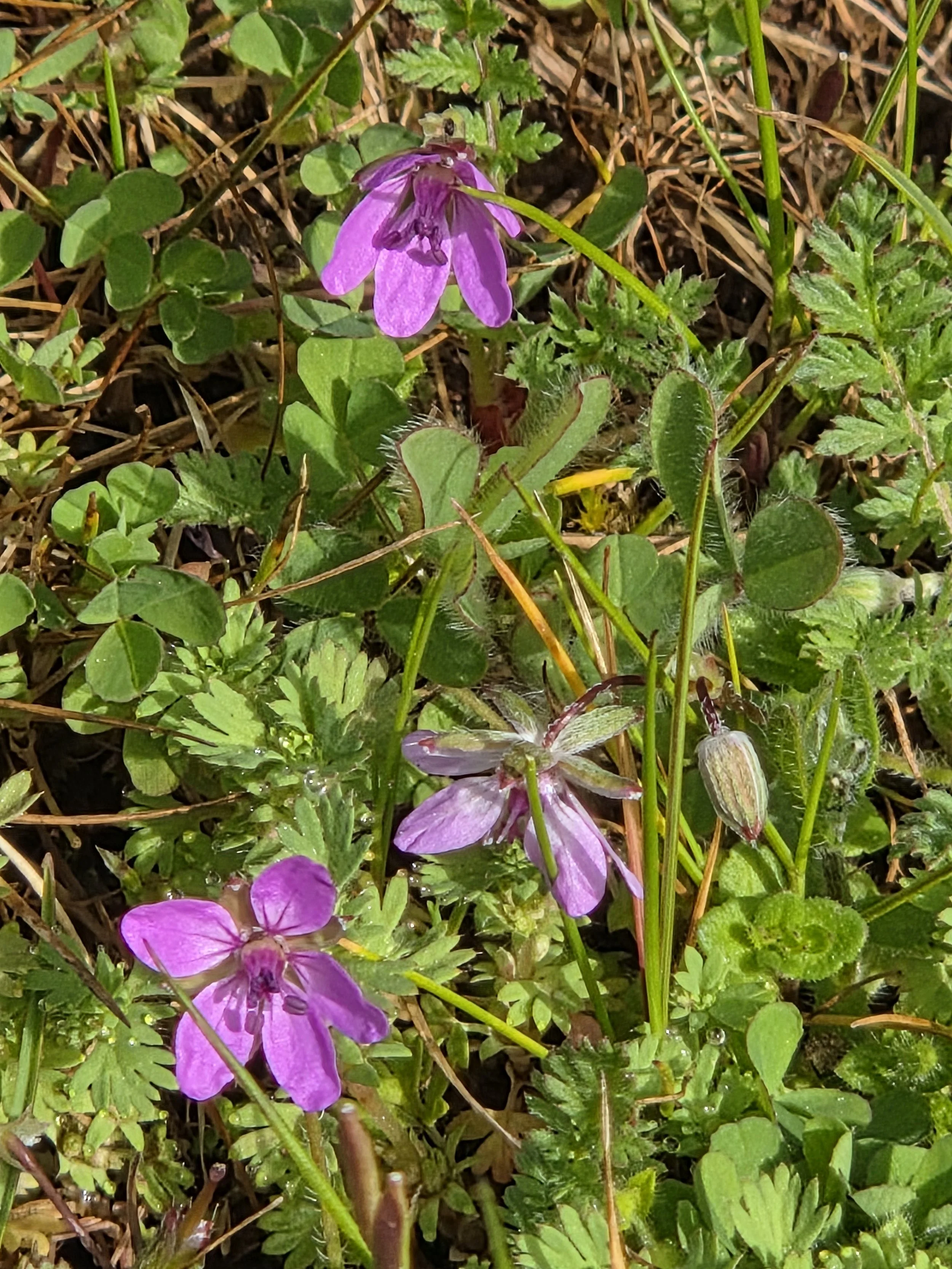
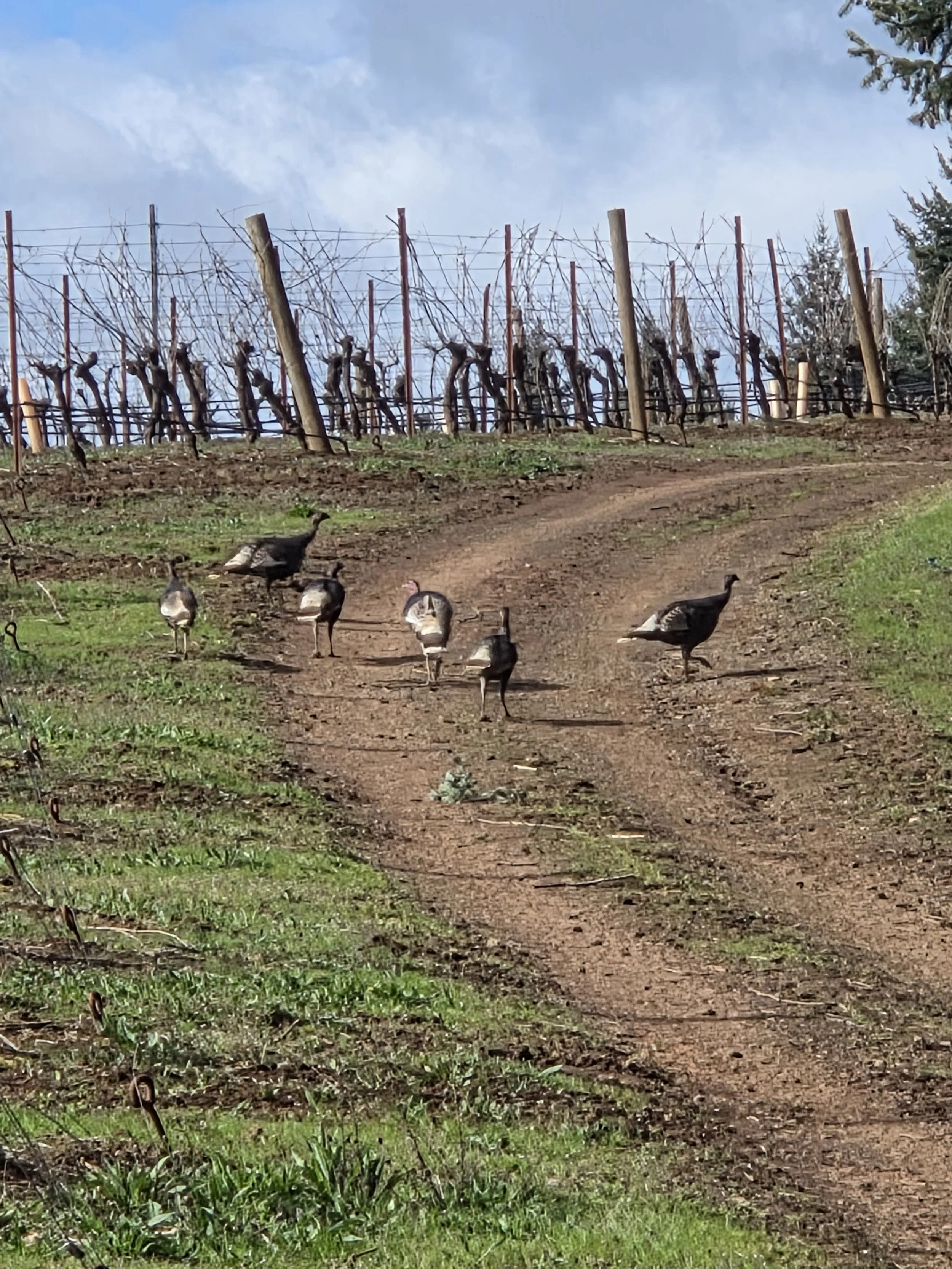
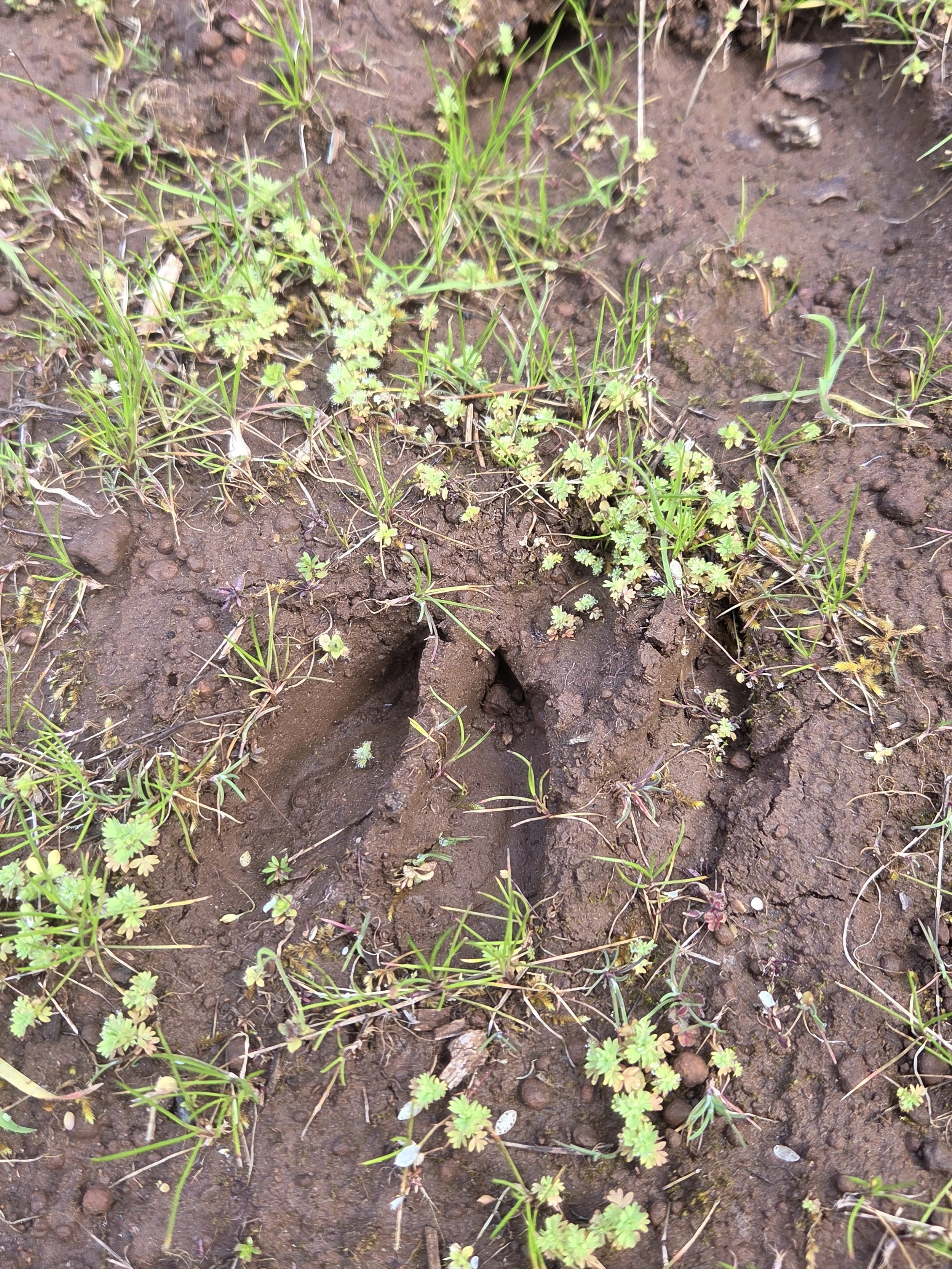
The rafter of wild turkeys that lives in our woods has been happily roaming the vineyard, eating insects and weeds, gently breaking up the soil a bit and dropping some of their own natural fertilizer... We get a variety of other wild visitors to the vineyard, as we are surrounded by forest, though sometimes all we see are the tracks.
So, cheers to spring! Find a moment to pour yourself a glass of wine and appreciate the magic and the beauty of it all. We invite you to come visit the tasting room and stroll through the vines and see the start of the 2026 vintage for yourself!
Cheers,
Lauren.